After You Modify Your Jeep: What’s the Next Weakest Link?


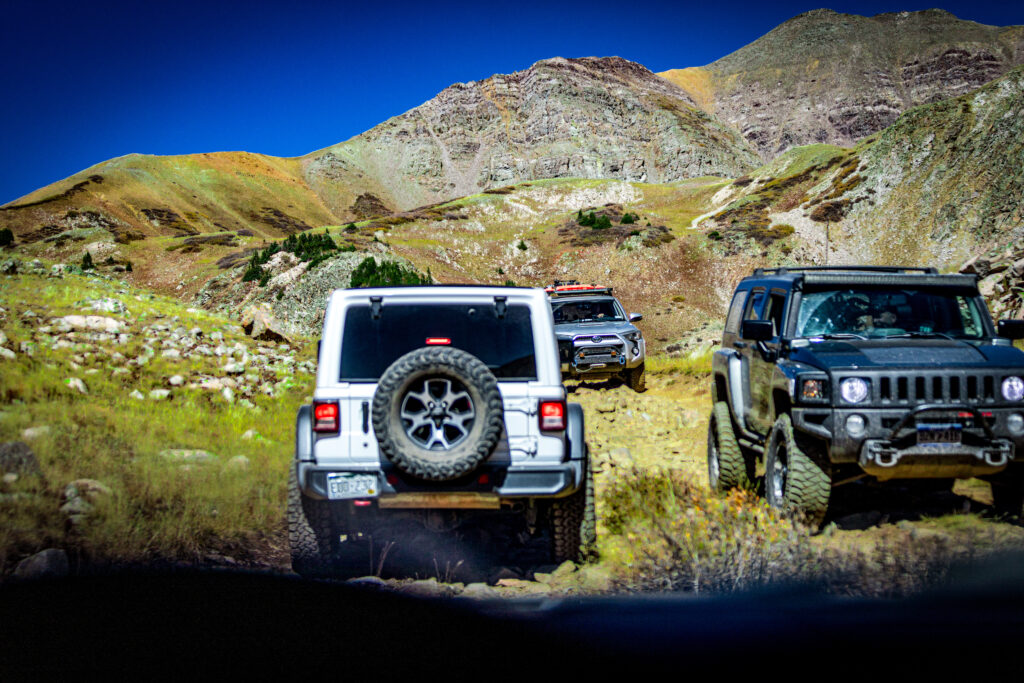
For most Jeep owners, modification starts the same way: a lift kit. But few people stop to think about the weakest link after you modify your Jeep. Once you lift your Jeep and install larger tires, stress increases.
Lifting a Jeep replaces suspension components like springs, shocks, and control arms to increase ride height and make room for larger tires. That extra clearance opens the door to harder trails, bigger obstacles, and a more capable rig. But it also starts something many Jeep owners don’t think about at first — a chain reaction.
Once you lift your Jeep and install larger tires, stress increases across the entire vehicle. That stress doesn’t show up everywhere at once. Instead, it concentrates in specific components, accelerating wear and eventually causing failure.
This is known as the weakest link effect — and understanding it can save you money, frustration, and trail-side repairs.
The Chain Reaction: Why Modifying a Jeep Changes Everything
A Jeep is engineered as a system. When you change one part of that system — especially tire size and suspension geometry — every connected component feels the impact.
Larger tires are heavier, have more rotational mass, and create more leverage. That extra force travels through the drivetrain, steering, suspension, and braking systems. Some parts are designed with more margin than others, which means failures tend to follow a predictable pattern.
You don’t suddenly break everything.
You overload one system at a time — starting with the weakest link.
Understanding the weakest link after you modify your Jeep helps prevent expensive failures and trail-side breakdowns as your build evolves.
So, What Is the Next Weakest Link?
If there were a single answer for every Jeep, the internet would be a much quieter place.
After hundreds of trail days and tens of thousands of off-road miles, one pattern shows up again and again:
The steering system is usually the first place problems appear.
That doesn’t mean it’s the only weak link — but it’s often the first system to show wear outside acceptable limits.
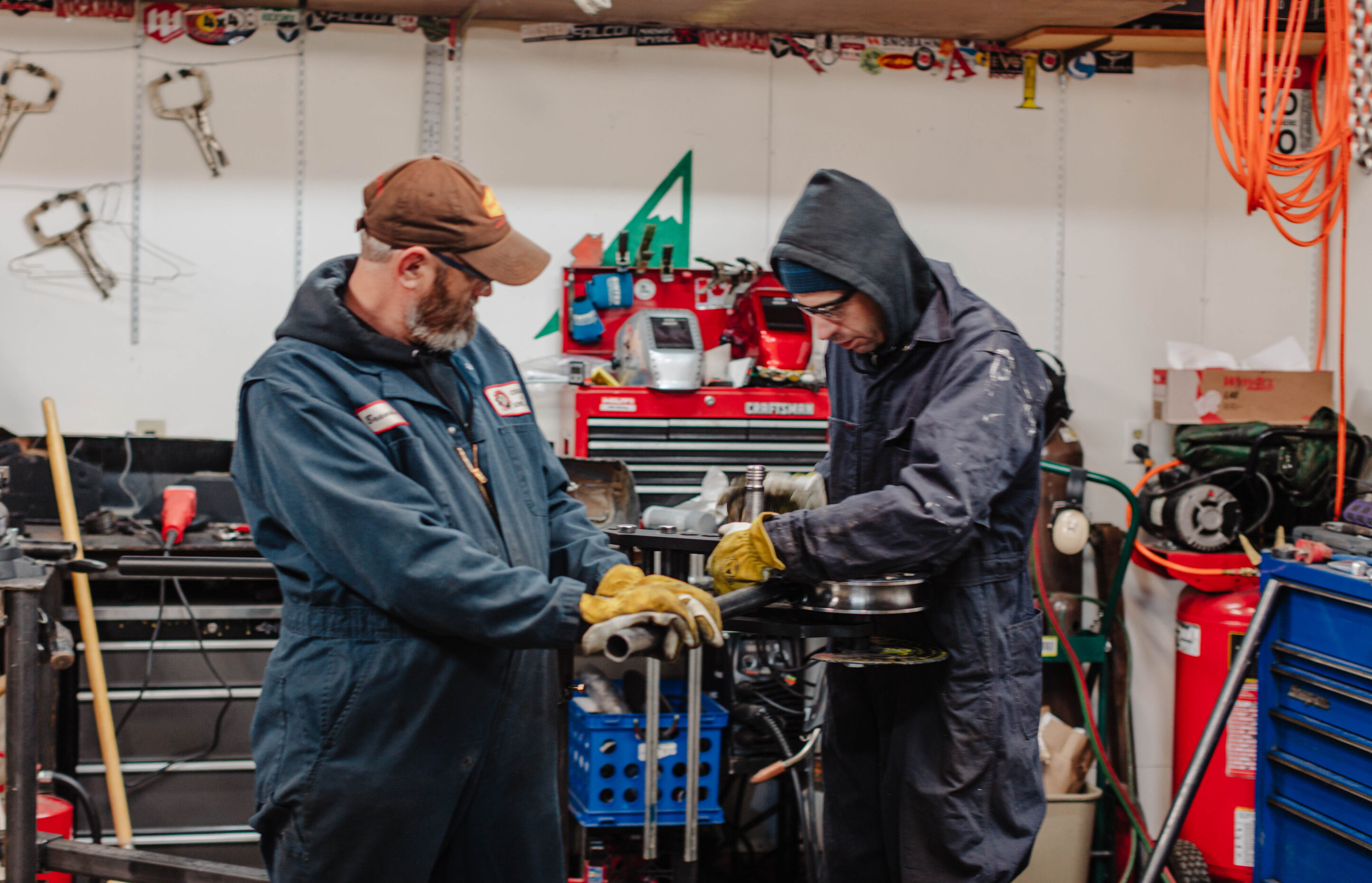
Steering: The Most Common Weakest Link After You Modify Your Jeep
Modern Jeeps (especially JL and JT platforms) have better steering than earlier TJ and JK models, but no stock steering system is designed for large, heavy tires long-term.
Common steering components that begin to wear include:
Steering box
Steering pump
Drag link
Tie rod and tie rod ends
Track bar
Knuckles
Bushings throughout the system
Steering stabilizer
As play develops in one component, stress transfers to the next. That cascading movement is how minor wear becomes death wobble, vague steering, or complete component failure.
Most lift kits focus on suspension to hit a price point, leaving the steering system stock. Over time, upgrading steering components to heavier-duty aftermarket parts becomes less of an upgrade and more of a requirement. Learn more about common Jeep steering problems after a lift, including death wobble, worn tie rods, and track bar issues.
Braking: When Stopping Power Becomes a Problem
As Jeeps are modified, weight almost always increases. Armor, wheels, tires, recovery gear, and accessories all add up — and larger tires increase braking demand even further.
A bigger tire has:
More mass
A larger circumference
More leverage against the brakes
This can lead to longer stopping distances, overheating, and a feeling that the Jeep is “pushing through the brakes.”
Brake upgrades typically include:
Larger rotors (often slotted for cooling)
Bigger, stiffer calipers
Improved pad compounds
Brake upgrades aren’t glamorous, but they become critical as builds progress.
Driveshafts: Often Overlooked Until They Fail
Driveshafts are one of the most commonly overlooked components after a lift — until they fail.
A driveshaft transfers power from the transfer case to the axles and must operate at steeper angles after a lift while extending and compressing more through suspension travel.
Common failure points include:
U-joints under stress and extreme angles
Bent shafts from trail impacts
Damage to slip-joint boots allowing water intrusion and corrosion
The good news is that driveshaft upgrades are relatively straightforward and widely available through aftermarket manufacturers and custom driveline shops.
Re-Gearing: When Tire Size Changes Performance
Installing larger tires changes effective gearing — whether you plan for it or not.
Without re-gearing, drivers often notice:
Slower acceleration
Difficulty maintaining highway speeds
Poor climbing ability
Loss of low-speed crawl control off-road
Re-gearing the differentials restores drivability by matching gear ratios to tire size. In many cases, drivers go beyond stock gearing to improve crawl ratios and off-road control.
Gear selection depends on tire size, axle type, and how the Jeep is used.
Axles: When Stock Isn’t Enough
Axles are the foundation of the vehicle. They transmit power to the tires and support the weight of the Jeep itself.
Common Jeep axle types include Dana 30s and Dana 44s, with strength varying by model and year.
Failures typically occur due to:
High-RPM wheel spin followed by sudden traction
Hard landings or impacts
Repeated bouncing under load
Axles can bend, twist, or break — most often at the outer housing or inner shafts. Solutions range from trusses and sleeves to complete axle replacements for heavier builds.
Most axle failures don’t happen on stock tires. They happen once leverage and load exceed original design limits.
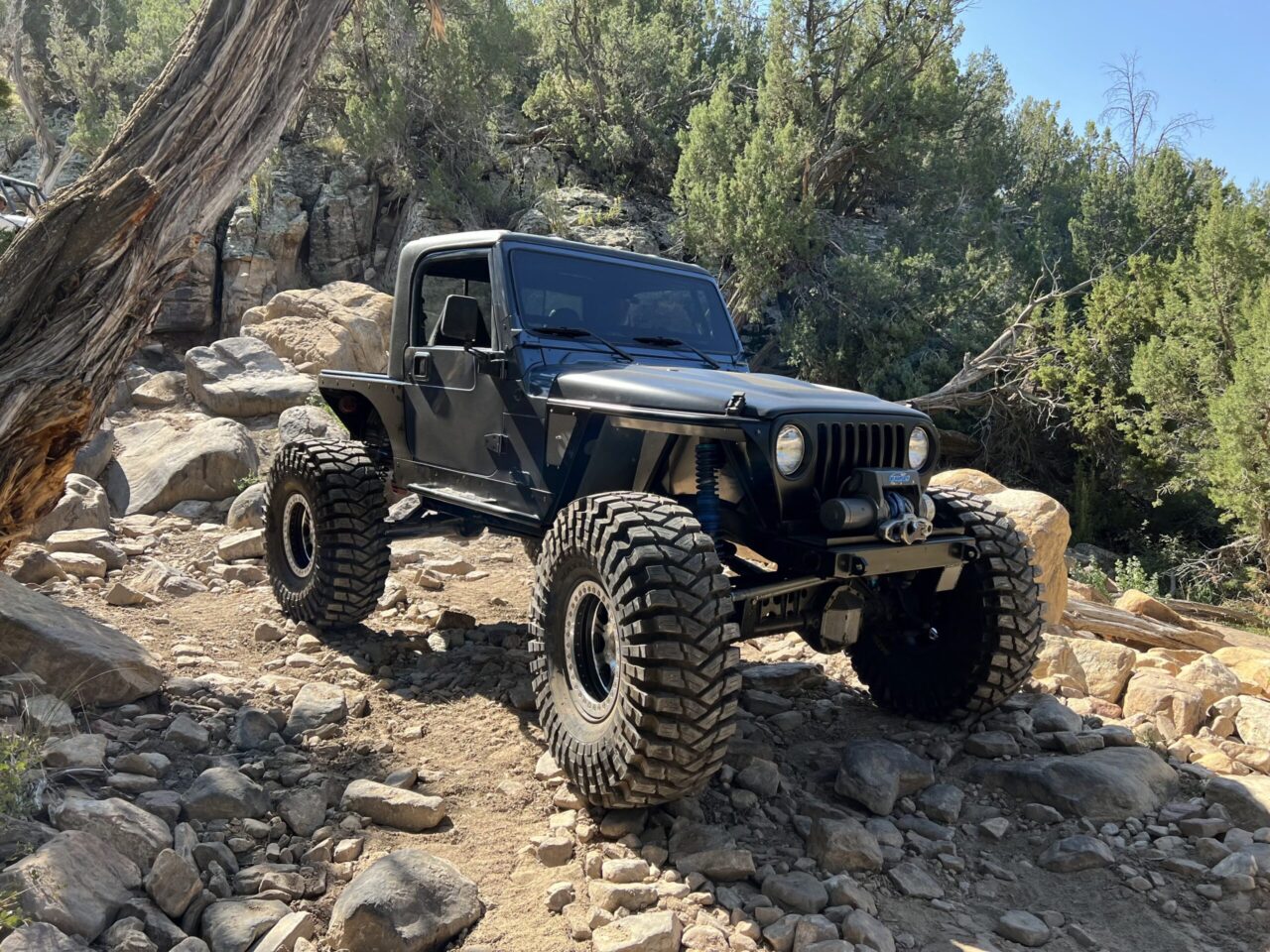
Build in Stages, Not Surprises
Every Jeep build is a balance of tire size, weight, power, intended use, and budget.
The key is understanding that every upgrade shifts stress elsewhere. There is no final build — only systems that must be strengthened in sequence.
Knowing the weakest link after you modify your Jeep allows you to upgrade strategically instead of reacting to failures. Every Jeep build progresses in stages, and understanding where stress moves next is the key to building smarter, safer, and more reliable rigs.
This article serves as the foundation. In future posts, we’ll break down steering, gearing, driveshafts, and axles in detail so you can decide what upgrades make sense for your Jeep and how you use it.